
Digital Tipping Statistics 2026
 Maya Patel
Cash is disappearing from our pockets, and tips are following it onto the card reader and the phone screen. For hospitality workers and venue owners, that shift changes everything: how much lands in the tip jar, how it gets shared, and how the public feels about being asked.
We pulled together the most reliable, named data we could verify on digital tipping in 2026. Every figure below comes from a named source with a year attached. Where a number could not be verified against an authoritative source, we left it out. UK figures come first, then the global picture.
The death of cash
The UK has moved faster towards cashless than almost any comparable economy, and the data is stark.
- Cash fell below 10% of all UK payments for the first time in 2024. Cash accounted for just 9% of payments, down from 48% a decade earlier in 2014 (UK Finance, Payment Markets report, 2025). Interpretation: the tip left in coins is now the exception, not the rule.
- 57% of UK adults were registered for a mobile wallet in 2024, up from 42% in 2023. (UK Finance, Payment Markets report, 2025). Interpretation: most customers already carry a tap-to-pay tool, which is exactly what cashless tipping relies on.
- Contactless rose from 3% of UK transactions in 2015 to 38% in 2023. (HM Treasury, National Payments Vision, 2024). Interpretation: the contactless habit is now mainstream and entrenched, not a novelty.
The trend is global, if slower elsewhere. In the United States, the share of payments made with cash fell from 16% in 2023 to 14% in 2024 (Federal Reserve, Diary of Consumer Payment Choice, 2024). Cash is declining everywhere; the UK is simply further down the road.
Do people tip more when they tip digitally?
This is the question that matters most to workers, and the evidence points one way: digital prompts lift tips.
- Around 65% of Americans say they tip at least 11% more when tipping digitally than with cash. (Forbes Advisor, U.S. Digital Tipping Culture survey, 2023). Interpretation: the on-screen prompt, with suggested percentages, nudges people to give more than they would dig out in coins.
- The average full-service restaurant tip paid by card was 19.4% in early 2025. (Toast Restaurant Trends data, via LendingTree, 2025). Interpretation: card and digital tipping has settled at a healthy baseline well above the old rule-of-thumb.
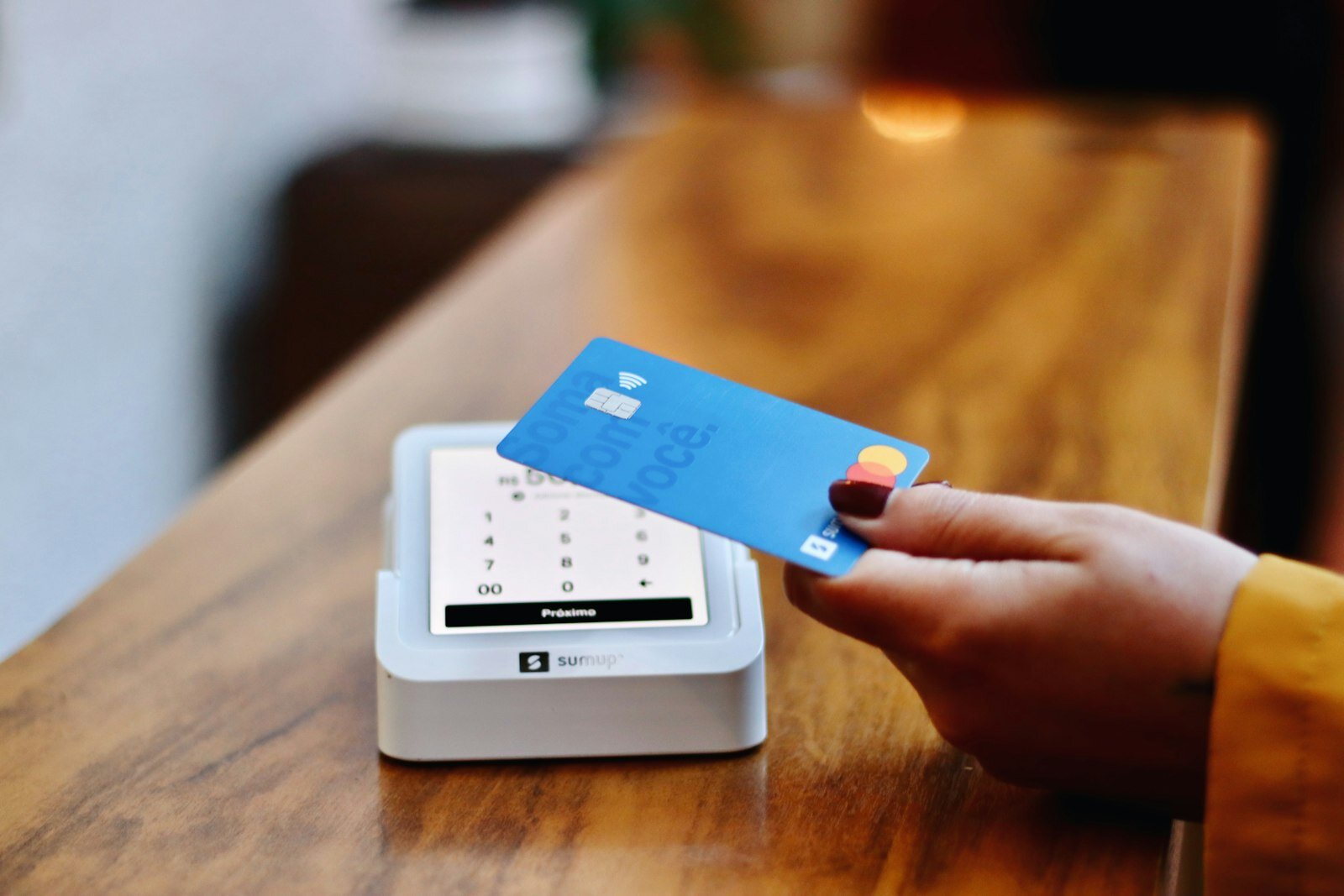
For a worker, the difference between a customer fishing for loose change and a customer tapping a suggested 15%, 18% or 20% is not marginal. It is the difference between an empty jar at the end of a shift and a meaningful top-up to their pay.
Tipping fatigue and the backlash
The same screens that lift tips also create resentment. The data shows a public that feels increasingly cornered.
- 72% of US adults say tipping is now expected in more places than it was five years ago. (Pew Research Center, 2023). Interpretation: the spread of tablet checkout screens has pushed tipping prompts into shops and counters that never asked before.
- 59% of Americans hold a negative view of tipping, though that is down from 66% in 2023. (Bankrate, 2024). Interpretation: negativity is high but easing slightly, suggesting the backlash may be plateauing rather than worsening.
- 35% say tipping culture has got out of control, and 34% are annoyed by the pre-set tip screens they meet at counters. (Bankrate, 2024). Interpretation: the resentment is aimed squarely at aggressive, guilt-trip prompts, not at tipping itself.
- 31% of Americans feel pressured when prompted to tip. (Forbes Advisor, U.S. Digital Tipping Culture survey, 2023). Interpretation: how you ask matters as much as whether you ask.
The lesson for venues is not to abandon digital tipping but to keep it honest: optional, clearly labelled, and not weaponised at the point of sale. The backlash is against the pressure, not the principle.
What it means for UK workers
The UK story has an extra dimension the headline stats do not capture: the law has caught up with cashless tipping. Since the Employment (Allocation of Tips) Act 2023 came into force on 1 October 2024, employers in England, Wales and Scotland must pass on 100% of tips to workers without deductions, allocate them fairly, and keep records (legislation.gov.uk, 2024). Interpretation: digital tips can no longer quietly leak into a venue's revenue; they belong to staff by law.
Put the trends together and the picture for a hospitality worker in 2026 is clear. Cash is nearly gone, so a tipping method that does not depend on coins is no longer optional. Customers tip more when prompted digitally, so the upside is real. But the public is fatigued by pushy tablet screens, so the method has to feel respectful, not coercive. And the law now guarantees that what is tipped reaches the worker.
That is precisely the gap a platform like Tippidy is built for. A direct, multi-currency, cashless tip that the customer chooses to give, that works for a single worker or a crew sharing fairly, and that goes straight to the people who earned it. No coins, no guilt-trip screen at the till, and no employer skimming the pot. In a cashless, post-Tips-Act world, that is what modern tipping looks like.
Sources
- UK Finance, UK Payment Markets report (2025): UK Payment Markets 2025 Summary
- HM Treasury, National Payments Vision (2024): National Payments Vision
- Federal Reserve, Diary of Consumer Payment Choice (2024): 2024 Findings from the Diary of Consumer Payment Choice
- Forbes Advisor, U.S. Digital Tipping Culture survey (2023): Digital payments have increased restaurant tips
- Toast Restaurant Trends data via LendingTree (2025): Tipping Rates Study
- Pew Research Center, Tipping Culture in America (2023): Tipping Culture in America
- Bankrate, Tipping Culture Survey (2024): Bankrate 2024 Tipping Survey
- UK Government, Employment (Allocation of Tips) Act 2023 (2024): Commencement Regulations 2024
This article is part of our complete guide to digital tipping — learn how to get tipped by card, Apple Pay or Google Pay.
Comments (0)
Log in to leave a comment.
Related Posts


Start receiving digital tips today
Create your free Tippidy tip page, add it to Apple Wallet and Google Wallet, and let guests tip you in seconds with Apple Pay, Google Pay or any card — no app, instant payouts.
Works with Apple Wallet & Google Wallet · No monthly fees